22. How to say “I’m tired” in Korean
- 37. How to say “Can I leave my baggage here?” in Korean
- 36. How to say “I’d like to check in.” in Korean
- 35. How to say “For here or to go?” in Korean
- 34. How to say “Check, please” in Korean
- 33. How to say “I’d like to order.” in Korean
- 32. How to say “How long is the wait?” in Korean
- 31. How to say “Can I pay by card?” in Korean
- 30. How to say “What’s good here?” in Korean
- 29. How to say “I’m allergic to ~” in Korean
- 28. How to say “I’m thirsty” in Korean
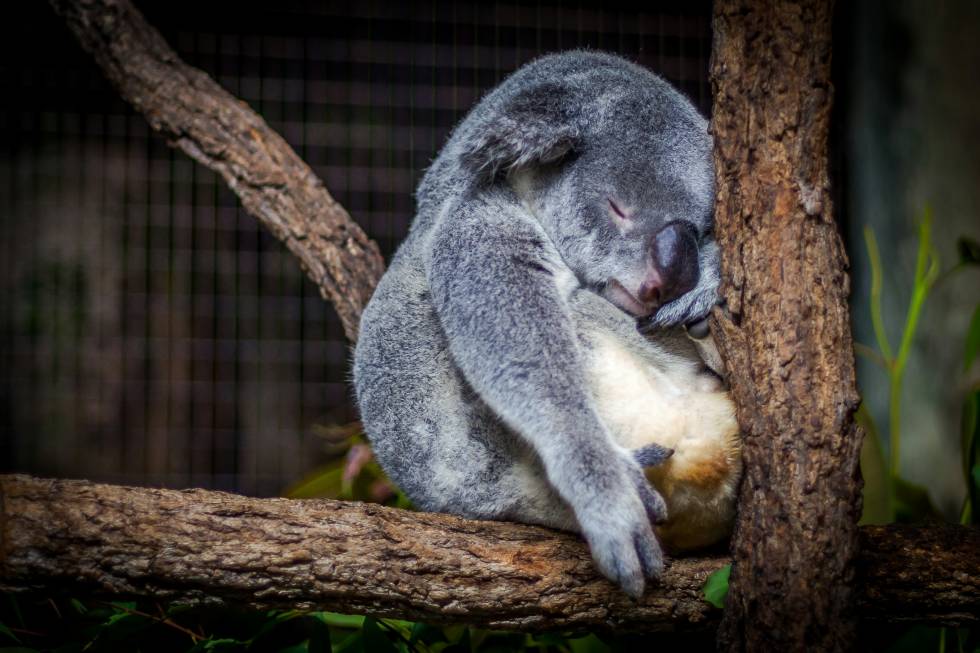
Hi, everyone! Today, let’s learn how to say “I’m tired” in Korean. This is a very useful expression when you are exhausted after a long day at work, school, or traveling in Korea.
1. Basic expression
The most common way to say “I’m tired” in Korean is:
저 피곤해요.
저 지금 너무 피곤해요.
저 means “I” (polite), and 피곤해요 means “am tired.”
So, 저 피곤해요 literally means “I am tired.”
You can add 지금 (now) or 너무 (very/so) to make the feeling stronger:
저 지금 피곤해요. = I’m tired now.
저 지금 너무 피곤해요. = I’m so tired right now.
2. Casual way with friends
When you talk to close friends or someone younger than you, you can drop the polite ending and say:
나 피곤해. = I’m tired.
나 진짜 피곤해. = I’m really tired.
Here, 나 is the casual way to say “I.”
3. When someone asks “Are you okay?”
Sometimes, when you look tired, Koreans might ask:
괜찮아요? = Are you okay? / Are you alright?
You can answer:
네, 조금 피곤해요. = Yes, I’m a little tired.
아니요, 지금 너무 피곤해요. = No, I’m really tired now.
4. Useful example sentences
오늘 일 많이 해서 피곤해요.
= I’m tired because I worked a lot today.
비행기 타고 와서 너무 피곤해요.
= I’m so tired from the flight.
여행 너무 재미있는데, 조금 피곤해요.
= The trip is so fun, but I’m a little tired.
Try using 피곤해요 or 피곤해 the next time you feel tired in Korea. It’s a simple phrase, but it will help people understand how you feel and take care of you better.

8. How to say “Nice to meet you.” in Korean.
26. How to say “Could I have the menu, please?” in Korean.
29. How to say “I’m allergic to ~” in Korean
About The Author

swstranger
A strange software engineer who learns English and looks for a happy life. I’m posting articles about the places where I’ve visited for trip, software languages, database systems and lessons getting in my life.